
Services
Everything the program is known for.
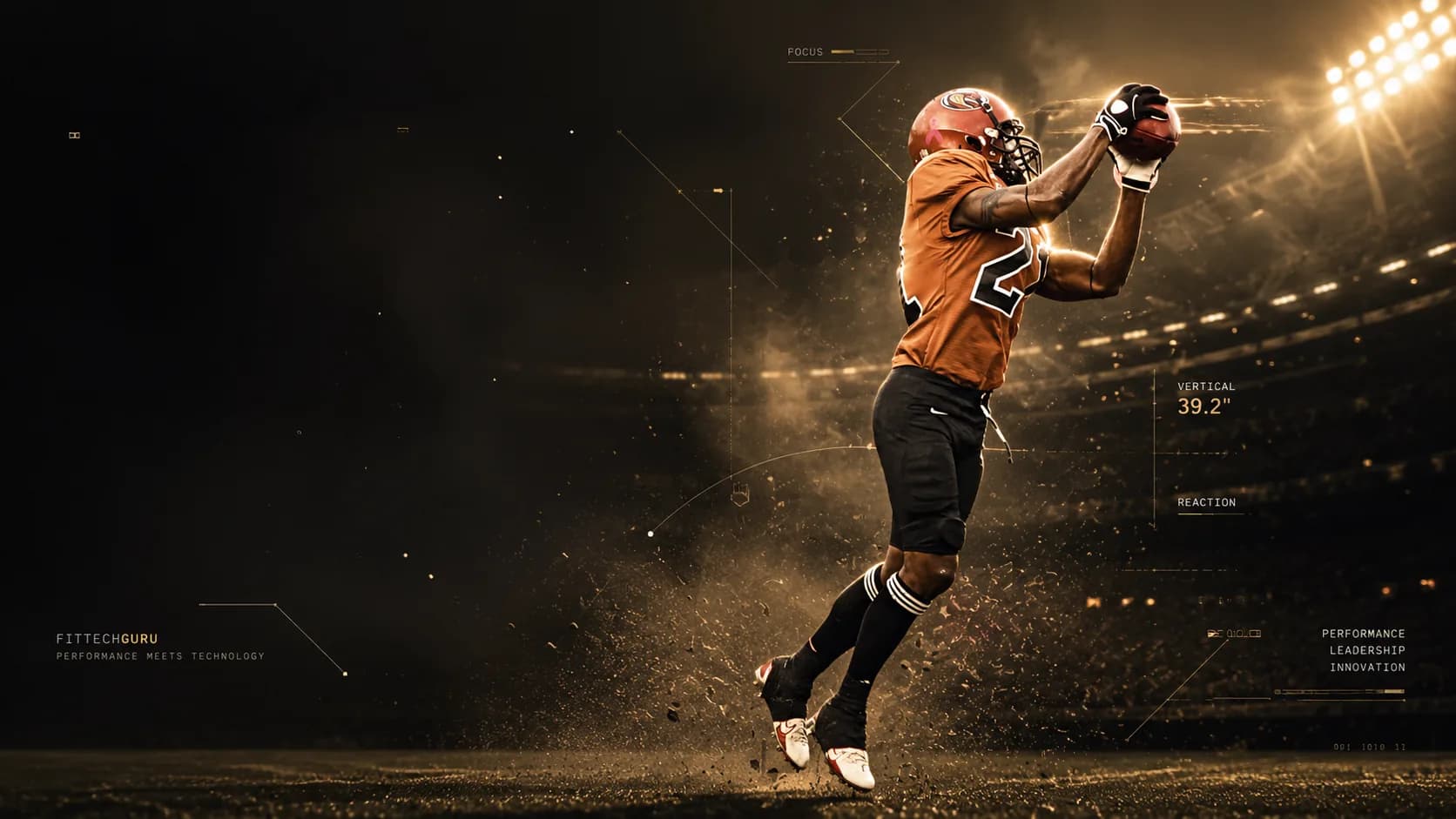
Brand, media, gear, sites, and systems — the whole visual and digital identity of a program, a team, or a local business, built to one standard by one operator. Take one piece or the whole stack.
What we do
One studio, one standard, eight ways in
Most clients start with the one thing they need most and expand once the standard is clear. Nothing here is off a shelf — every engagement is scoped around the program, the team, or the brand in front of it.
Most work here lands between $450 and $1,200. Identity systems and full builds run to $3,500. If you're fundraising toward it, say so in the first email — the scope can be built around what a season can actually raise.
Start a project
01
Brand Identity
The mark, the system, the standard.
From $1,800 — mark, color and type system, guidelines.
The visual identity a program is known for — designed to a standard, not a template. Logos and monograms, color and type systems, and the uniform and kit direction that ties it all together on and off the field.
- Logo & monogram
- Color & type system
- Uniform / kit direction
- Brand guidelines
02
Sports Media
Content built for the feed and the film room.
From $450 a pack. Season coverage from $850/mo.
Season-long content that keeps a program visible and a brand present. Game-day and campaign packages, social-ready cutdowns, and the hype and recap pieces that carry the moment past the final whistle.
- Content packages
- Social cutdowns
- Hype & recap edits
- Season coverage
03
Photography
Editorial sports photography, shot to a pro standard.
From $450 — one shoot, edited and delivered.
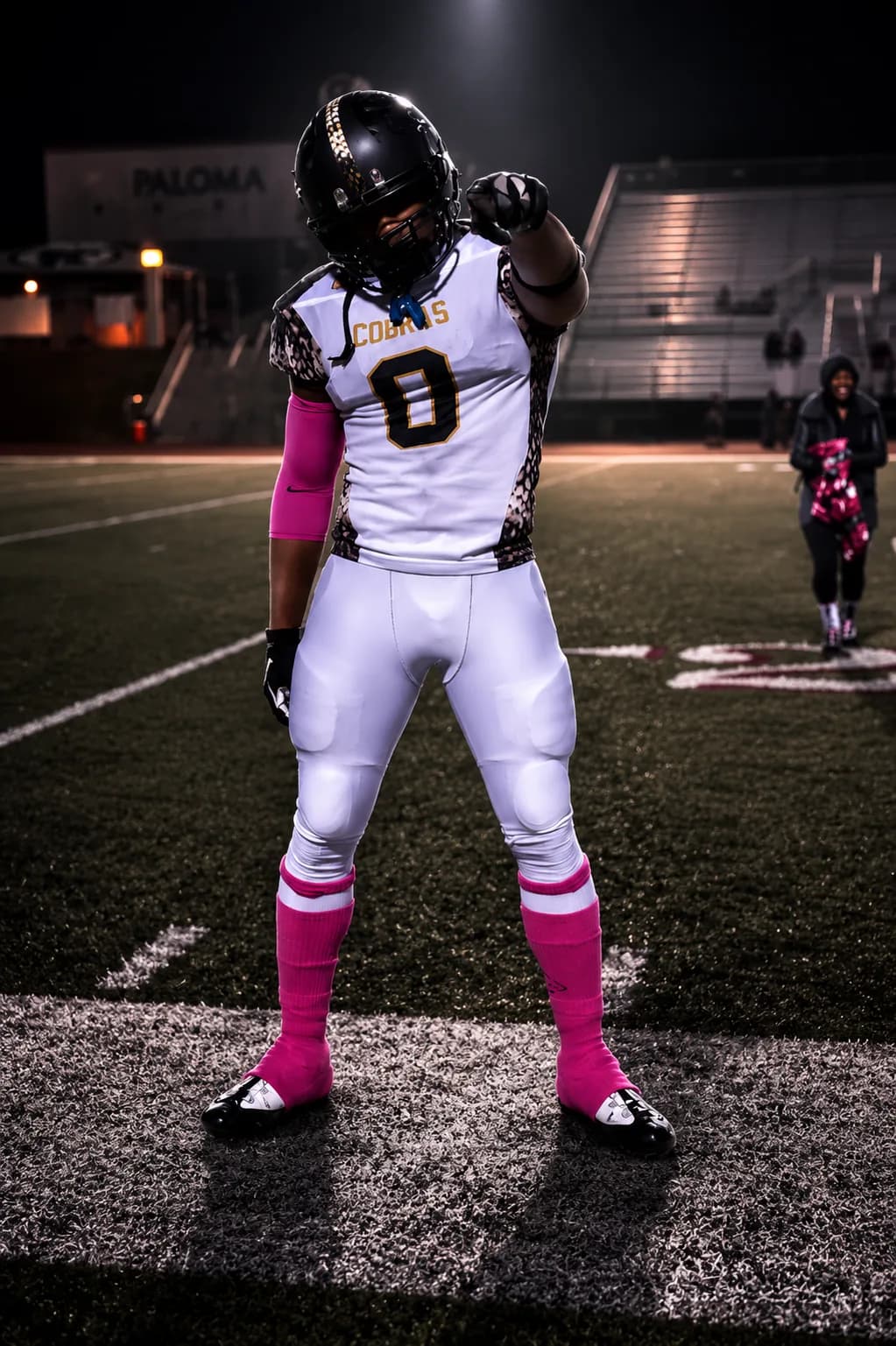
Real athletes, real emotion, cinematic light. Game-day action, portraits, campaign and editorial frames, and clean product shots for gear and merch — composed to look like the level you're chasing.
- Game-day action
- Athlete portraits
- Campaign & editorial
- Product & gear
04
Videography
Cinematic film that carries the moment.
Quoted on scope. No public examples posted yet — ask and I'll send what exists.
Story-driven video with the weight of the moment behind it. Hype films that set the tone, recaps that keep it, feature and story films that build the brand, and recruiting reels that get an athlete seen.
- Hype films
- Recaps
- Feature / story films
- Recruiting reels
05
Websites
Sites built as carefully as everything else we make.
Quoted on scope. The public example is this site — designed and built in-house; it's on the portfolio. No client site is posted yet.
Fast, responsive, accessible sites for programs, athletes, and businesses — built on the same standard as the rest of the work, so the digital front door matches the brand behind it. The site you're reading is the reference build.
- Program & team sites
- Athlete / personal sites
- Business sites
- Landing pages
06
Team Stores
Turnkey stores a team can actually run.
From $450 to set up. The store's revenue is the program's.
Online stores set up so a team, school, or club can sell gear with zero overhead. Product curation, fulfillment handled through Shopify and Printify, and launch support to get the first order in the door.
- Store setup
- Product curation
- Fulfillment (Shopify · Printify)
- Launch support
07
Merch & Print
Apparel and print without the print-shop look.
Quoted per run — it depends on the piece and the count.
Gear made to a design standard and produced to hold up. Apparel, posters and prints, stickers and small goods, and commemorative Senior Night pieces for the moments a season is remembered by.
- Apparel
- Posters & prints
- Stickers & small goods
- Senior Night
08
AI & Automation
Systems that do the work of ten.
Quoted on scope. No public examples posted yet — ask and I'll send what exists.
The leverage side of the studio. Workflow automation, content systems, and custom tools that let a program or a small business run like a bigger one — plus straight-talk consulting on where automation actually helps.
- Workflow automation
- Content systems
- Custom tools
- Consulting
How it works
From first call to final file
A straight line, one operator, no chain of hands to wait on.
Discovery
Goals, audience, timeline, and the moment you're building toward — before anything gets made. Program work starts this stage with a paid consultation; a single piece of work just gets quoted.
Scope
A clear scope and estimate: exactly what gets delivered, to what standard, and what it takes. No surprises later.
Build
The work gets produced to spec — one operator accountable end to end, with checkpoints so you're never guessing where it stands.
Launch
Files, stores, and systems handed off ready to run, along with what you need to keep running them yourself.
Questions
Before you reach out
Am I going to get a sales pitch?
Not the kind you're bracing for. The first conversation is a working one — what you're trying to do, whether this is the right way to do it, and what it would take. Part of the job is saying when it isn't a fit, and some of those calls end with a recommendation and no project. Emailing here doesn't put you on a list, and nobody follows up three times to check in.
What does a project actually cost?
There are numbers on this page now, which should save you an email. The short version: a set of graphics starts at $450, a highlight feature is $400, a full event package is $1,200, and an identity system starts at $1,800. Anything running across several services gets scoped and quoted, because no two programs need the same thing. Put your scope, your timeline, and a rough budget in the first email and you'll get an honest number back before anything is booked — including a straight "that's not enough for what you're describing" if that's the answer. If you're fundraising toward it, say that too. It changes how the scope gets built, not whether you get taken seriously.
Why isn't the consultation free — and when does it apply?
It doesn't always apply. Need one thing made — a flyer, a set of graphics, a highlight reel, an event recap? Tell me what it is and you'll get a quote back. No call, no fee. The consultation is for program work: an identity system, a website, a team store, a season of content, a full brand and site build. That kind of project has too many decisions in it to scope over email, and charging for the hour is what turns it from a sales call into work. It's $150, and booking the project takes it off the invoice.
Is one person really enough for this?
Sometimes, honestly, no. One operator means a finite calendar and no being in two gyms on the same Friday night. If your timeline needs a crew, you'll hear that up front rather than after you've signed. What it buys you the rest of the time is that the person who scoped the work is the person who shoots it, edits it, and answers the email — no account manager, no junior handed the file, nothing lost in a handoff because there isn't one.
We're a small program. Is this overkill?
Some of it would be. A full identity system plus a season of content is the wrong first move for a program with twelve kids and a booster budget — and yes, the numbers at the top of this page are real numbers. That's why most people start with one thing: a set of game-day graphics, a highlight feature, a team store, one event covered. $450 is a fundraiser, not a board meeting. Add later only if the first one earned it. High school and club programs are still who this was built for; the bigger builds exist for the programs and businesses that have grown into them, not as the price of admission.
What if I don't like what you make?
It happens, and it's almost always a direction problem, not a taste problem. Direction gets agreed before production starts and there are checkpoints along the way, so the first time you see the work is not the first time you get an opinion about it. Revision rounds are written into the scope up front, so the number isn't a negotiation later. And if the direction is wrong at the first checkpoint, say so then — being polite about it for three weeks costs you more than the honesty does.
How does a project start?
Send a short note about what you need. One piece of work gets quoted straight back. Program work books a consultation first, then gets scoped and estimated before anything is built. The full stage-by-stage version is on the process page.
Can I book just one service?
Yes. Take one service or combine several. Most relationships start with a single project and grow from there once the standard is clear.
Who do you work with?
Coaches, athletes, programs, schools, clubs, local businesses, and creators — from high school and club levels up. If you care about quality and you're building something, you're the client.
Do you work remotely?
Remote by default. Shoots, game-day coverage, and on-site work are arranged by project depending on location and scope.
Who owns the final work?
You do. Final files and assets are yours on final payment, with ownership and usage terms spelled out in the scope up front. Two honest exceptions, both named in every scope: the reusable templates and systems I build on stay mine and you get a licence to keep using them, and any licensed font, stock, or vendor asset transfers on whatever terms its own licence allows. No hostage files — but no promises I'd have to break someone else's licence to keep.
Start here
Tell us what you're building
One service or the whole stack — send the details and, if it's a fit, you'll be working with the person who does the work.